
Sill Bearing
Choosing the right Shaft Roller Bearing can significantly impact the performance of your machinery. According to industry expert John Smith, “A well-selected Shaft Roller Bearing can enhance productivity and reduce costs.” Understanding the specific requirements of your application is crucial. Each machine demands different levels of load capacity, speed, and environmental resistance.
Shaft Roller Bearings come in various types and sizes. It is essential to analyze the operational conditions before making a decision. Factors like temperature, load type, and speed can alter the functionality of a bearing. Sometimes, the choice may seem overwhelming, leading to potential errors. This can result in issues like early failures or unexpected downtime.
Moreover, ensuring proper installation and maintenance is vital for the longevity of Shaft Roller Bearings. Seek expert advice when uncertain about specifications. Remember that the right bearing not only supports performance but also boosts overall efficiency. Engage with trusted suppliers to gather reliable data and insights. Balancing all these aspects requires careful consideration and a bit of trial and error.
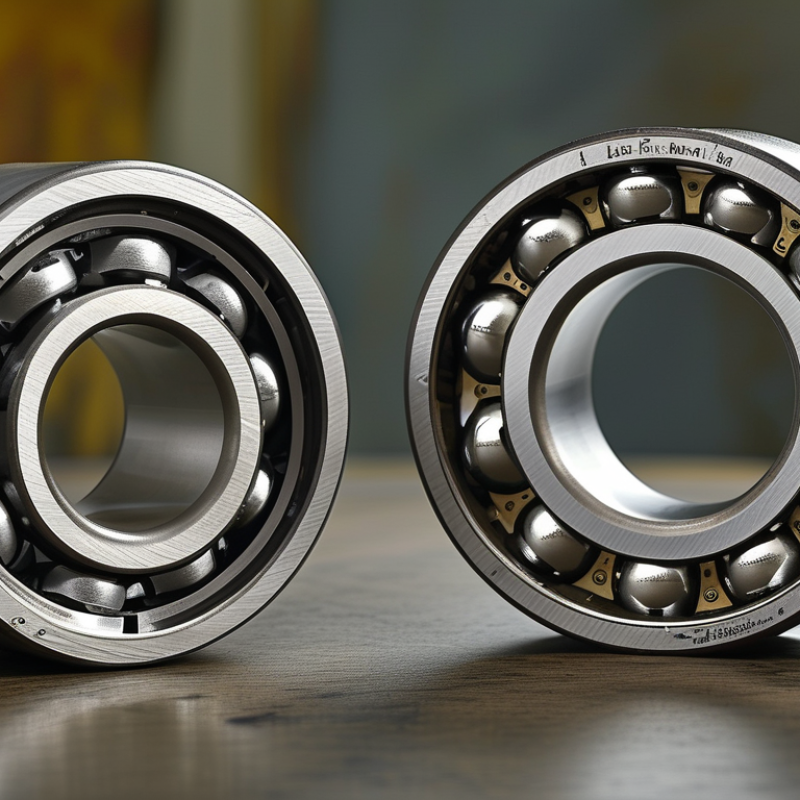
Shaft roller bearings play a critical role in mechanical systems. They reduce friction and support axial and radial loads. Understanding their basics is crucial for selecting the right type for your application. Roller bearings come in various designs, such as cylindrical, spherical, and tapered. Each type has its unique features and is suited for different operational conditions. According to industry reports, the demand for roller bearings is expected to grow at a rate of 5% annually over the next five years. This indicates a strong interest in efficient, reliable machinery.
When choosing shaft roller bearings, consider the load capacity and alignment features. For instance, if your application experiences misalignment, spherical roller bearings could be advantageous. They can accommodate angular misalignment while maintaining performance. Bear in mind that operating temperature also affects bearing life. Most roller bearings can operate effectively in temperatures ranging from -20 to 120 degrees Celsius.
Tips: Always check the manufacturer's specifications for load ratings. Regular maintenance can extend the life of your bearings. Evaluate the environment where the bearings will operate. Contaminants and moisture can degrade performance over time. In some cases, investing in higher-quality bearings pays off in reduced downtime and maintenance costs.
This chart illustrates the essential characteristics to consider when selecting the right shaft roller bearing. Understanding these dimensions helps in making an informed decision based on load capacity, speed, temperature range, and price.
When selecting a shaft roller bearing, understanding the different types is crucial. There are several categories, each designed for specific applications. For instance, cylindrical roller bearings excel in handling heavy radial loads. They're commonly used in electric motors and gearboxes. On the other hand, spherical roller bearings can accommodate misalignment better and are suitable for applications like crushers and conveyors.
Tapered roller bearings are essential for applications demanding high axial and radial loads, often found in truck wheel hubs. Needle roller bearings, known for their compact design, are ideal when space is limited, such as in automotive engines. Considering the specific requirements of your project, including load capacity, speed, and environmental conditions, is key to making the right choice. Sometimes, it might feel overwhelming to find the perfect fit. Relying solely on general specifications without real-world testing may lead to mistakes. Reflections on past selections can guide future choices. Each type has its strengths and weaknesses, making it essential to evaluate all aspects carefully.
Choosing the right shaft roller bearing requires careful consideration of several key factors. Start with the load capacity. Determine the weight and type of load the bearing will support. Different applications demand different load ratings. A bearing must not only bear the load but also withstand any potential shocks.
Next, consider the operating speed. Bearings are rated for specific speeds. Operating beyond the maximum can lead to premature failure. Also, consider the environmental conditions. Factors like temperature, humidity, and exposure to contaminants can affect performance. Choosing a bearing with appropriate materials is crucial.
Finally, think about installation and maintenance. Some bearings require special tools for setup. An easy-to-maintain bearing can save time and costs over its lifespan. Reflect on your experience and needs. This will guide you in making a well-informed choice. Balancing these factors can be challenging, but it's essential for optimal performance.
When selecting a shaft roller bearing, understanding load capacity is crucial. Load capacity measures how much weight the bearing can support. It depends on several factors, including the material and design of the bearing. If you choose a bearing with insufficient load capacity, it could lead to early failure. A thorough assessment of your application's specific load requirements is necessary.
Speed ratings are equally vital when making your choice. Bearings are rated for maximum operational speed. Operating above this limit can cause overheating. Thus, evaluating the speed at which the bearing will function is essential. This consideration helps ensure longevity and efficiency.
While these two factors are paramount, it’s also important to consider the potential compromise between load capacity and speed. A higher load capacity may reduce the speed rating. Reflecting on your unique needs ensures you select the most suitable bearing for your application. Taking the time to weigh these concepts leads to informed decisions.
Maintaining shaft roller bearings is crucial for ensuring their longevity and optimal performance. Regular inspection is essential. Look for signs of wear, rust, or damage. This helps in addressing potential issues before they escalate. Consider the operating environment. Dust and moisture can degrade bearings quickly. Enclosing them in protective covers can prevent these common problems.
Proper lubrication plays a vital role. Use the right type and amount of lubricant based on your application needs. Over-lubricating can lead to excess heat. Under-lubricating may cause premature wear. Establish a routine for checking lubricant levels. It can save costs in the long run.
Monitor operating temperatures and vibrations. High temperatures can indicate issues, while excessive vibrations may signal misalignment or wear. Creating a log of these metrics helps track performance over time. This proactive approach allows for timely adjustments. Reflecting on maintenance practices can identify areas for improvement. Regular training for staff on best practices can enhance overall reliability.
: They reduce friction and support axial and radial loads in mechanical systems.
Consider factors like load capacity, operating speed, and environmental conditions.
Common designs include cylindrical, spherical, and tapered roller bearings.
The load capacity determines the weight a bearing can support without failure.
Most bearings operate effectively between -20 to 120 degrees Celsius; temperature impacts longevity.
Spherical roller bearings can handle angular misalignment and maintain performance effectively.
Regular checks and maintaining a clean environment can prevent performance degradation.
Humidity and contaminants can affect bearing performance and longevity over time.
Each bearing type has a maximum speed; exceeding it can lead to premature failure.
Consider your specific needs and experiences to ensure a well-informed choice.
When selecting the right Shaft Roller Bearing for specific applications, it is essential to understand the fundamental principles and varieties available. Shaft Roller Bearings come in various types, each designed for distinct uses, making it crucial to choose the one that best fits your requirements. Factors such as load capacity, speed ratings, and operational conditions play a significant role in this selection process.
To ensure the longevity and efficiency of Shaft Roller Bearings, proper maintenance is vital. Regular inspections, lubrication, and adherence to manufacturer guidelines can significantly extend their lifespan. By considering these key factors and maintenance tips, users can optimize performance and reliability in their applications.
