Sill Bearing Sill Bearing

How to Choose Stainless Steel Ball Bearings?

Time:2026-09-10 Author:Henry
0%

Choosing Stainless Steel Ball Bearings requires more than comparing prices or reading a product title. The correct bearing must match the load, speed, temperature, moisture, and available installation space. A bearing used inside a food-processing machine faces different demands from one supporting a small electric motor. Those differences matter.

Begin with the operating environment. AISI 304 stainless steel often suits general corrosion-resistant applications, while AISI 440C can provide greater hardness and wear resistance. However, higher hardness does not automatically mean better performance. Saltwater, cleaning chemicals, vibration, and frequent washdowns can quickly expose a poor material choice. Check the manufacturer’s technical data, including load ratings, clearance, seal type, lubrication, and dimensional tolerances. Do not rely on appearance alone.

Practical inspection also matters. Rotate the bearing by hand and notice roughness, noise, or uneven resistance. Confirm the shaft and housing fit with accurate measurements, not guesswork. Sealed bearings can reduce contamination, but seals may increase friction at high speeds. Open bearings may run efficiently, yet they need better protection. No bearing is perfect. Even experienced buyers can overlook temperature changes or misalignment during selection. A reliable decision combines application data, verified specifications, and realistic maintenance expectations. When uncertain, consult a qualified bearing engineer or the manufacturer’s application team. Their advice can prevent premature failure, unexpected downtime, and the false economy of choosing the cheapest option.
How to Choose Stainless Steel Ball Bearings?

Understanding Stainless Steel Ball Bearing Types and Designs

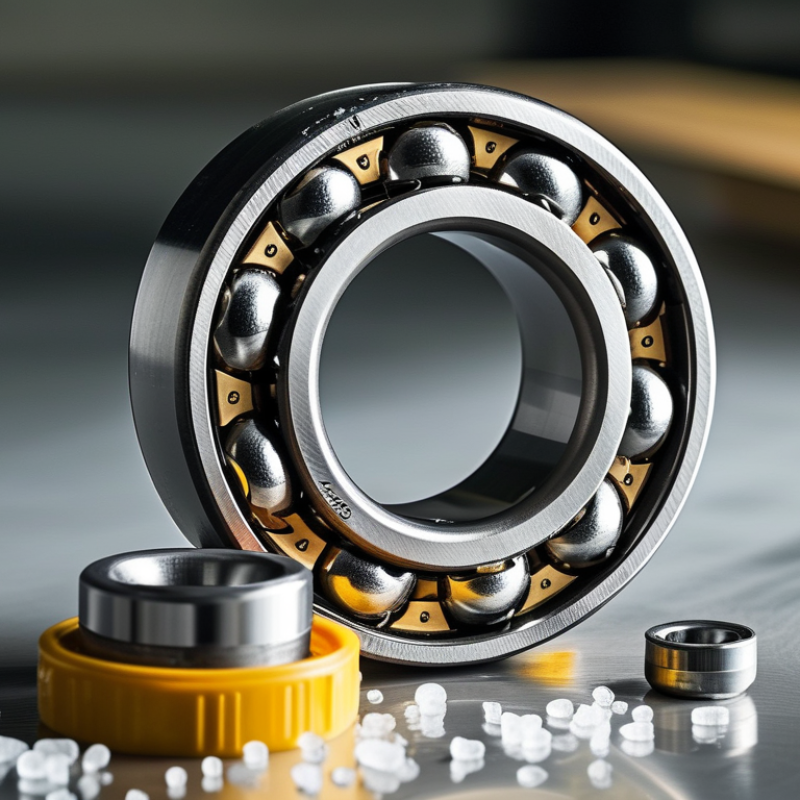
Choosing stainless steel ball bearings starts with understanding their types and designs. Deep-groove bearings suit radial loads and moderate axial loads, making them practical for pumps, food equipment, and small motors. Angular-contact designs handle combined loads, but their contact angle affects speed and stiffness. Thrust bearings are different; they mainly support axial force.

Material selection matters. Martensitic stainless steel, such as 440C, offers high hardness and better load capacity. Austenitic stainless steel, such as 316, resists chemicals better but usually carries lower loads. Hybrid designs use ceramic balls to reduce friction and electrical damage in some high-speed applications. ISO 281 calculates bearing rating life through load, speed, and material factors. The U.S. Department of Energy reports that motor-driven systems consume about 70% of industrial electricity in the United States, so small friction losses can become expensive. Real operating conditions still challenge neat calculations.

Tips: Check the load direction, shaft size, sealing, temperature, and cleaning chemicals. Choose an open bearing only when contamination is controlled. A sealed design protects grease, but excessive seal friction can reduce speed. Do not select stainless steel solely because it “does not rust.” It can still suffer from pitting, poor lubrication, or false brinelling during vibration. A 2023 industry outlook from Grand View Research describes continued bearing demand from automation and transportation, but market forecasts are not a substitute for application testing. A short endurance test may reveal more than a catalog table.

Matching Bearing Size to Load, Speed, and Operating Conditions

How to Choose Stainless Steel Ball Bearings?

Matching bearing size to load, speed, and operating conditions requires more than checking shaft diameter. Start by identifying radial and axial loads separately. A bearing supporting a 300-kilogram radial load may need a different size from one handling frequent thrust loads. Use the manufacturer’s dynamic and static load ratings, then apply a suitable safety margin. Stainless steel often resists corrosion well, but it may carry less load than standard bearing steel.

Speed changes the selection. High-speed rotation increases heat, noise, and lubricant stress. Check the bearing’s limiting speed under the actual lubrication method, not only the catalog value. Light grease may suit moderate speeds, while oil can help remove heat. Keep alignment accurate. Even a small shaft tilt can create uneven contact and premature wear.

Operating conditions often decide the final choice. Salt spray, washdown water, humidity, dust, and chemical exposure can attack races, seals, or lubricant. Choose sealing protection based on the environment, while remembering that tighter seals can increase friction. Temperature also matters; heat can reduce clearance and shorten lubricant life. Measure the housing and shaft carefully. A calculation can look correct and still fail because of vibration, poor fits, or contamination. That part is easy to underestimate. Review the load cycle and maintenance access before ordering, because real equipment rarely runs under one perfect condition.

Evaluating Stainless Steel Grades, Seals, Shields, and Lubrication

Choosing a stainless steel ball bearing starts with the environment, not the catalog number. The World Stainless Association reported 58.4 million tonnes of stainless steel production in 2023. Yet, not every grade suits bearing contact stress. Hardened 440C offers high hardness and wear resistance. Grades 304 and 316 resist corrosion better, but usually carry lower loads. ISO 683-17 and ISO 281 provide useful material and life-rating guidance. ISO 281 defines L10 life as the point where 90% of identical bearings should survive. It is not a guarantee.

Seals and shields deserve equal attention. Rubber seals block water, dust, and cleaning fluid, but increase friction and operating temperature. Metal shields reduce contamination while allowing smoother rotation. Neither option works well when the housing is poorly aligned. Lubrication must match speed, temperature, and moisture exposure. A water-resistant grease may protect a washdown assembly, while excessive grease can create heat. In field inspections, I have seen clean-looking bearings fail because lubricant was incompatible. That mistake is easy to miss.

Tips: Confirm the stainless grade, clearance, seal type, and grease specification together. Check the shaft fit before ordering. Leave room for doubt; a corrosion-resistant raceway does not prevent electrical damage, overload, or misalignment. Record temperature and noise during the first operating week, then compare those readings with the supplier’s ISO 281 rating and maintenance data.

Selecting the Right Bearing for Corrosion Resistance and Maintenance Needs

Choosing stainless steel ball bearings starts with the corrosive agent, not the catalog label. In food processing, salt spray, acidic cleaners, and frequent rinsing can attack races, balls, shields, and lubricant. Austenitic stainless steel offers useful resistance, but it is not corrosion-proof. Higher molybdenum content can improve chloride resistance, while ceramic balls may reduce metal contact in demanding environments. The correct choice still depends on load, speed, temperature, and contamination.

Maintenance planning deserves equal weight. The NACE IMPACT Study estimated global corrosion costs at US$2.5 trillion annually, equal to 3.4% of global GDP (NACE, 2016). That figure supports prevention, but it does not justify over-specifying every bearing. Review washdown frequency, chemical concentration, drainage, and relubrication access. Sealed bearings can reduce servicing, yet seals may increase friction and fail under heat or pressure washing. For wet areas, select compatible food-grade lubricant where required and verify its operating range.

Use the basic rating-life method in ISO 281:2007, then check static load and actual duty cycles. A bearing meeting calculated life may still fail early from water ingress or poor installation. A common field mistake is treating “stainless” as a complete maintenance strategy. That assumption can fail. Inspect for discoloration, rough rotation, noise, and leaking grease. ISO 9223:2012 can help classify atmospheric corrosivity, although immersed equipment needs site-specific testing. Small trial batches are often wiser than large purchases based on nominal stainless grade alone.

How to Choose Stainless Steel Ball Bearings?

Selecting the right bearing depends on corrosion exposure, load, wear, lubrication, and maintenance access. This chart compares typical alloy composition ranges for commonly considered bearing materials. Chromium supports passivation, while nickel improves overall corrosion resistance; molybdenum in 316 stainless steel improves resistance to chloride-related pitting.

440C stainless steel is commonly selected when hardness and wear resistance are priorities, but it generally requires more protection in wet or chloride-rich environments. 304 provides broader general-purpose corrosion resistance, while 316 is usually preferred for saltwater, cleaning chemicals, and other chloride-exposed applications. Actual maintenance intervals also depend on sealing, lubricant compatibility, speed, load, temperature, and contamination.

Checking Quality, Standards, Compatibility, and Supplier Reliability

How to Choose Stainless Steel Ball Bearings?

Quality begins with the steel, not the polished surface. Check the material certificate, hardness range, dimensional tolerance, and corrosion resistance. Austenitic stainless steel suits humid environments, while harder martensitic grades may handle greater loads. ISO 683-17 provides relevant stainless bearing-steel requirements. ISO 281 also defines bearing life calculations, but real service life depends on contamination, lubrication, and mounting. A clean bearing can still fail early when the shaft fit is wrong.

Compatibility requires more than matching bore size. Confirm radial load, speed, temperature, sealing, clearance, and chemical exposure. The U.S. Department of Energy reports that motor-driven systems consume over half of industrial electricity. Small friction losses therefore deserve attention. Select low-friction designs carefully, but do not assume every “sealed” bearing performs equally. I have seen specifications overlook washdown chemicals and thermal expansion. That mistake is expensive.

Tips: Request inspection records, traceability documents, and sample measurements. Compare tolerances with ISO 199 and failure classifications with ISO 15243. Ask suppliers how they control noise, cleanliness, and batch variation. An independent laboratory report is stronger than a sales claim. Check delivery history and corrective-action records. The cheapest quotation may hide inconsistent batches, weak packaging, or limited technical support. Leave room for doubt, and test a small batch before approving full production.

FAQS

: Which stainless steel bearing type suits radial loads?

: Deep-groove bearings handle radial loads and moderate axial loads. They suit pumps, food equipment, and small motors. Check the load direction carefully.

When should I choose an angular-contact bearing?

Choose angular-contact designs for combined radial and axial loads. Their contact angle affects speed, stiffness, and load handling. More angle is not always better.

What are thrust bearings designed to support?

Thrust bearings mainly support axial force. They are unsuitable when heavy radial loads dominate. Confirm the force direction before ordering.

Which stainless steel grade should I consider?

Hardened 440C offers high hardness, wear resistance, and greater load capacity. Grades such as 304 and 316 resist chemicals better. They usually carry lower loads. “Stainless” does not mean failure-proof.

Are sealed bearings better than open bearings?

Open bearings work best in controlled, clean environments. Sealed bearings block water, dust, and cleaning fluids. However, seals can increase friction and heat. The housing still needs proper alignment.

How should I select lubrication?

Match the grease with speed, temperature, moisture, and cleaning chemicals. Water-resistant grease suits some washdown environments. Too much grease can create heat. Wrong grease can quietly damage a clean-looking bearing.

Does a stainless bearing prevent corrosion and electrical damage?

No. Stainless steel can still suffer pitting, poor lubrication, and vibration-related damage. It also does not automatically prevent electrical damage. Leave room for doubt.

How can I check bearing quality before full production?

Request material certificates, hardness data, dimensional records, and traceability documents. Check the shaft fit, clearance, seals, and surface condition. Measure noise and temperature during the first operating week. Test a small batch first. Catalog ratings are not guarantees.

Conclusion

Choosing the right Stainless Steel Ball Bearings requires more than selecting a standard size. First, understand the available bearing types and designs, then match the bearing dimensions to the expected load, operating speed, temperature, moisture, and installation space. Consider whether open, shielded, or sealed construction is most suitable for the application, as each option affects contamination protection, friction, and maintenance requirements.

Material selection is equally important. Different stainless steel grades offer varying levels of corrosion resistance, strength, and temperature performance, so the choice should reflect the working environment. Lubrication must also be compatible with the operating conditions and maintenance schedule. Before purchasing, verify product quality, dimensional standards, load ratings, and compatibility with surrounding components. A reliable supplier should provide accurate technical information, consistent manufacturing quality, inspection records, and responsive support. By evaluating these factors together, users can select bearings that deliver dependable performance, longer service life, and reduced maintenance needs.

Henry

Henry

Henry is a dedicated marketing professional with a profound expertise in the company's offerings. With years of experience in the industry, he possesses an impressive understanding of the market dynamics and consumer behaviors that drive success. Henry is committed to sharing his insights through......